
Tech
California: Suvidha International Foundation Equips High School Students with Hands-On AI Skills for the Future Workforce

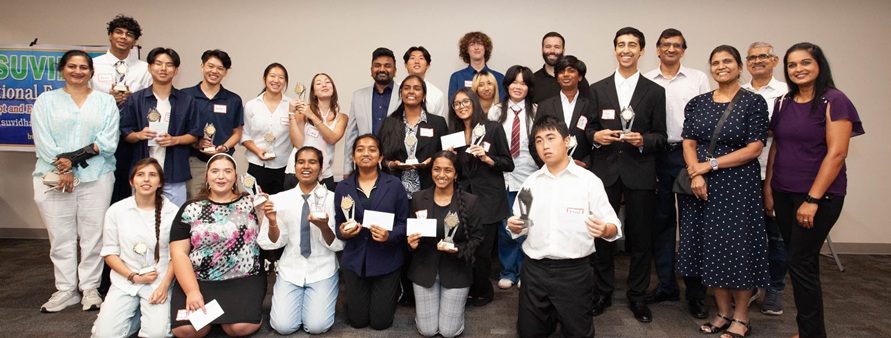
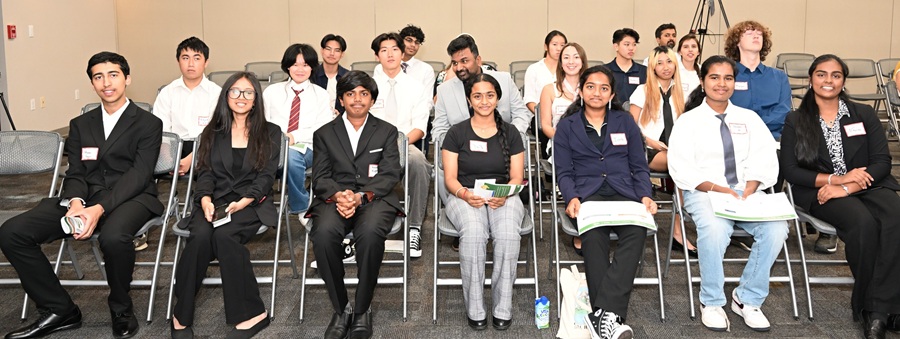
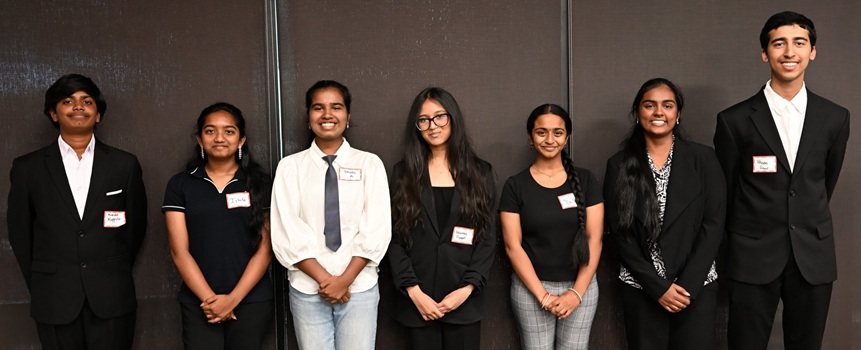
Rancho Cordova, California, July 2026: Suvidha International Foundation, a California-based 501(c)(3) nonprofit organization, successfully completed a 12-week After-School Industrial AI Agent Development Program for 25 high school students at Cordova High School. Supported by SMUD through its Shine Award, the program ran from April through July 2026 and served students in grades 9 through 12, including those with little or no prior experience in artificial intelligence or programming. The initiative also received valuable support from Cordova High School and local technology businesses, including Tech Yantra, ERTech Pros, and WATI.
Learning AI by Addressing Real-World Needs
Students began the program by learning foundational AI concepts, python coding, responsible AI practices, problem-solving methods, and the steps involved in designing an application. They then applied their knowledge through collaborative, hands-on projects focused on energy efficiency, sustainability, and community services. Throughout the program, students learned that developing an AI application requires more than technical skills.

They worked to understand community needs, collect and organize information, propose features, divide responsibilities, test their ideas, identify problems, and improve their work based on feedback. Over the 12 weeks, students progressed from having limited knowledge of AI to planning, building, testing, and presenting beginner-level applications. The experience increased their confidence and helped them understand how emerging technology can be used to address practical challenges affecting families and communities.
Three Teams, Three AI Application Modules
Students were organized into three teams, with each team developing a SMUD-focused AI application module: Bill Comparison, Issue Reporting, or Incentive Finder. Special thanks were extended to SMUD Directors Michael and Oliver for their guidance in helping students select relevant AI application topics. Before developing the SMUD-focused AI modules, student teams created basic e-commerce applications to learn how AI applications are planned, built, tested, and improved.
They practiced identifying user needs, designing features, organizing information, integrating AI tools, and resolving technical issues. This experience strengthened their teamwork and gave them a practical foundation for developing the Bill Comparison, Issue Reporting, and Incentive Finder modules. The Bill Comparison module was designed to help users better understand electricity usage and costs. The Issue Reporting module explored how residents could report concerns such as failed streetlights and other utility-related issues while recognizing that emergencies, including downed power lines, require immediate safety guidance.
The Incentive Finder module was designed to help users locate energy-efficiency programs, rebates, and incentives. The applications remain at the beginner stage and will require additional testing, updated information, expert review, and refinement before they are ready for broader public use. More importantly, the projects gave students an opportunity to develop teamwork, communication, leadership, time-management, presentation, and problem-solving skills. They learned to listen to different perspectives, share responsibilities, support one another, resolve disagreements, and remain accountable to their teams.

Students Demonstrate Perseverance and Adaptability
The program students faced a few challenges during the program, including conflicts with academic, athletic, and extracurricular commitments. The complexity of the projects required additional time to gather information, test features, correct errors, and refine the applications. The school’s summer closure also required the remaining sessions to be relocated. Despite these challenges, students continued participating and remained committed to completing their work.
They learned how to adapt when plans changed, work through setbacks, and remain focused on a shared goal. By the end of the program, the 25 students had made significant progress in both technical understanding and personal development. They gained practical experience and learned that successful innovation requires patience, creativity, responsibility, collaboration, and persistence.

Grand Final AI Showcase Celebrates Student Achievement
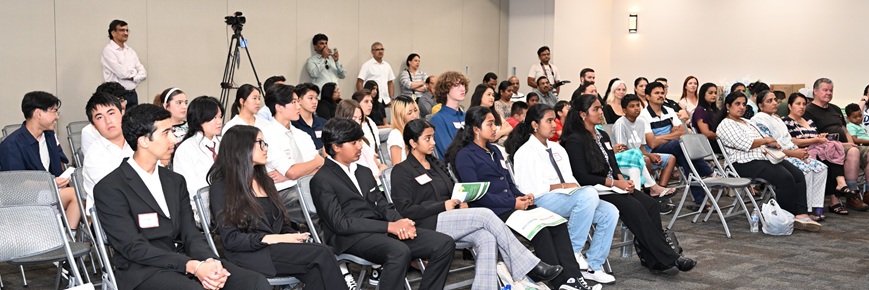
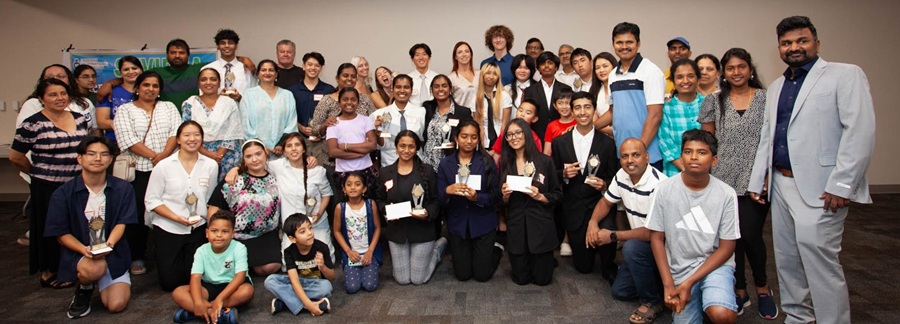
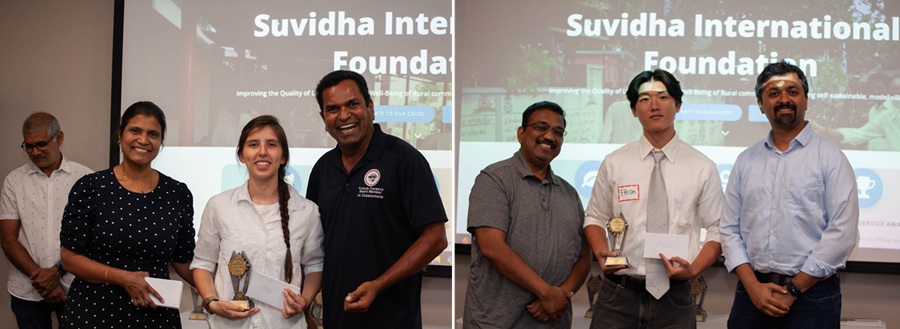
The program concluded with a Grand Final AI Showcase on Tuesday, July 21, 2026, at Rancho Cordova City Hall. Students presented their projects, demonstrated the three AI application modules, and answered questions from guests. The showcase celebrated student innovation and highlighted the value of partnerships among schools, nonprofit organizations, local government, utilities, families, and technology professionals in advancing AI and STEM education.
The event brought together SMUD representatives Kevin Burdick and Tran Wilson; FCUSD Board Vice President Y.K. Chalamcharla; Cordova Recreation and Park District Director Eric Sloan; Suvidha International Foundation Directors Vandna Sharma and Bala Kodavatikanti; Citizen.AI Director Rajesh Yakkali; local technology professionals Venkat Nagam, Tripti Verma, Shashank Rao, Ramakrishna Danthu, Vasishta Kyatham, and Prasad Bodapati; as well as parents and community members.

Community Collaboration Made the Program Possible
The program was initiated and coordinated by Bhaskar Vempati, Founder and President of Suvidha International Foundation, with support from the Suvidha team, including Vandna Sharma, Avinash Maddy, Padmapriya Maddy, and Bala Kodavatikanti. Instruction and technical mentorship were provided by Manoj Yakkali of Citizen.AI, an AI professional with more than 20 years of experience. His guidance gave students valuable exposure to real-world AI practices, project development, and industry insights.
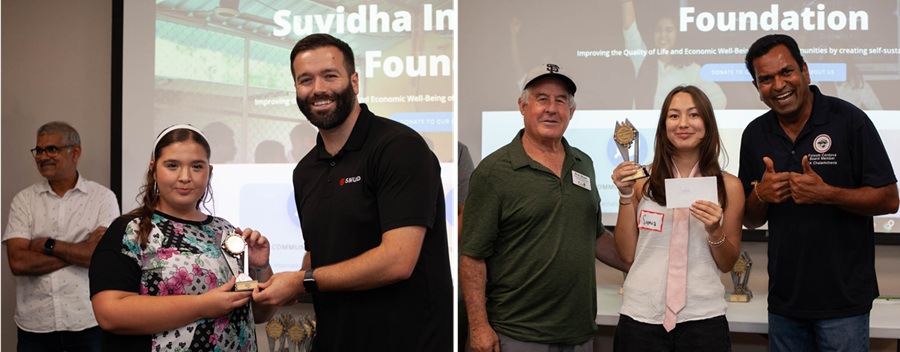
Bhaskar Vempati and Manoj Yakkali expressed their gratitude to SMUD, City of Rancho Cordova, Cordova High School, Folsom Cordova Unified School District, Tech Yantra, ERTech Pros, and WATI, volunteers, parents, and community supporters. They also congratulated the students for their dedication, teamwork, and perseverance throughout the program. Special appreciation was extended to Bharath and Sudheendra for capturing photographs of the final event.
Parents also shared positive feedback, noting that the program increased their children’s confidence, strengthened their problem-solving abilities, and expanded their interest in AI, STEM education, and future technology careers. Suvidha International Foundation plans to build on the success of this pilot program by expanding hands-on AI education and creating additional opportunities for students to learn from mentors, industry professionals, and community partners.
Brief Description of Suvidha International Foundation
Suvidha International Foundation is a California-based 501(c)(3) nonprofit organization dedicated to advancing education, leadership, community service, and civic engagement through a wide range of educational and community empowerment initiatives in the United States and India.

United States Initiatives – Education and Community Volunteering
In the United States, Suvidha offers programs in speech and debate, robotics, artificial intelligence, coding, medicine, law, hackathons, and summer enrichment. The foundation also engages youth in tutoring, stem cell donor drives, park cleanups, clothing drives, and community events. These opportunities help students build leadership, teamwork, communication, compassion, and social responsibility. Outstanding youth volunteers are recognized through Suvidha’s annual awards program.
India Initiatives – Education, Empowerment, and Community Development
In India, Suvidha supports education, skill development, economic empowerment, and sustainable community programs. The foundation currently assists 120 underprivileged students, with a strong focus on helping girls pursue higher education and professional degrees. Financial support of $500 to $2,000 per student helps cover tuition, educational expenses, and hostel costs.
Suvidha also supports more than 20 schools with supplies, furniture, sports equipment, STEM programs, mentorship, career guidance, and soft-skills training. Additional initiatives include tailoring and vocational training for women and youth, medical camps, food and grocery distributions, tree planting, and watershed development projects.